

Sustainability · 2025
In this section47 topics
- Sustainability Policy2 items
- Sustainability Goals & UN SDGs3 items
- Policy Review3 items
- Business Value Chain1 item
- Stakeholder Analysis1 item
- Environmental Policy & Guidelines3 items
- Environmental Policy Review3 items
- Energy — Plan & Guidelines2 items
- Energy — Electricity Consumption1 item
- Energy — Fuel Consumption1 item
- Energy — Targets1 item
- Energy — Performance & Outcomes2 items
- Water — Plan & Guidelines2 items
- Water — Withdrawal, Discharge & Consumption1 item
- Water — Targets1 item
- Water — Performance & Outcomes2 items
- Waste — Plan & Guidelines2 items
- Waste — Generation, Disposal & Recycling1 item
- Waste — Targets1 item
- Waste — Performance & Outcomes2 items
- GHG — Plan & Guidelines2 items
- GHG — Emissions1 item
- GHG — Emissions Verification1 item
- GHG — Targets1 item
- GHG — Performance & Outcomes2 items
- Environmental Legal Incidents1 item
- Social Policy & Guidelines3 items
- Social Policy Review2 items
- Human Rights Due Diligence1 item
- Employees — Plan & Guidelines3 items
- Employees — Workforce1 item
- Employees — Remuneration & Provident Fund2 items
- Employees — Training & Development2 items
- Employees — Occupational Health & Safety2 items
- Employees — Labour Relations2 items
- Employees — Employee Representation2 items
- Employees — Targets1 item
- Employees — Performance & Outcomes2 items
- Customers — Plan & Guidelines3 items
- Customers — Satisfaction Results1 item
- Customers — Targets1 item
- Customers — Performance & Outcomes2 items
- Community & Social — Plan & Guidelines3 items
- Community & Social — Targets1 item
- Community & Social — Performance & Outcomes2 items
- Other Social Management1 item
- Law Violation Incidents1 item
Sustainability Policy
Has a Sustainability Policy
Yes
Policy Description
The company has established a good corporate governance policy in accordance with good corporate governance guidelines. This serves as a practical framework for the operations of directors, executives, and employees at all levels of the company, which will help promote systematic, orderly, and clearly verifiable standards in the company's operations. This, in turn, fosters fairness and transparency, building confidence among shareholders, investors, and other stakeholders. The company will oversee and manage its operations in line with its objectives and goals, under its strategies, operational policies, and ethical business practices, in compliance with relevant laws. There will be effective monitoring, evaluation, and reporting of operational performance, including respecting the rights of and being responsible to shareholders and stakeholders, considering social and environmental benefits, and adapting to ongoing changes, to enable the company to compete and operate sustainably.
Sustainability Goals & UN SDGs
Has Sustainability Goals
Yes
Goals Description
1. Sustainable value chain management. The company considers the best interests of all stakeholder groups by adhering to its corporate governance policy and anti-corruption policy. An effective, transparent, and auditable corporate governance structure has been established, while also fostering understanding and communicating with employees regarding both corporate governance and sustainability development.
2. Participation in reducing environmental impact. The company seeks environmental management approaches in accordance with relevant laws and regulations. It also improves, develops, and seeks new measures or methods to prevent, control, and mitigate impacts on the community and environment.
3. Sustainable talent development. The company prioritizes personnel development by promoting and fostering a learning culture within the organization, as well as recognizing its responsibility towards the community and society.
UN Sustainable Development Goals
| SDG Goal |
|---|
| Goal 4 Quality Education |
| Goal 5 Gender Equality |
| Goal 8 Decent Work and Economic Growth |
| Goal 11 Sustainable Cities and Communities |
| Goal 13 Climate Action |
| Goal 15 Life on Land |
| Goal 16 Peace, Justice and Strong Institutions |
| Goal 17 Partnerships for the Goals |
Policy Review
Policy Reviewed This Year
Yes
Policy Changed This Year
No
Review Details
7 Sustainability Practices
1. Promote environmental responsibility operations, foster awareness, and instill a culture of environmental protection and climate change management.
• Promote an organizational culture where all employees are aware of and participate in thinking and seeking ways to reduce resource and energy consumption, as well as waste and greenhouse gas emissions, to prevent, control, and minimize impacts on the environment, communities, and society.
• Committed to continuous environmental operations by implementing projects or maintaining processes with the goal of reducing the environmental impact resulting from the company's operations.
• Promote environmental sustainability within the supply chain by selecting partners, contractors, and business allies based on their environmental management capabilities and adherence to the company's environmental policy.
2. Fostering Awareness and Human Resource Development Promote virtues, ethics, and social and environmental responsibility to become an organizational culture. Implement risk management and social and environmental responsibility. Arrange communication and support training to provide knowledge, as well as care for employee well-being. Foster a positive work atmosphere and environment to ensure employees are happy at work while developing their operational potential efficiently to meet organizational goals.
3. Respect for Human Rights and Labor Practices The company treats employees and workers without discrimination, provides equal opportunities, assigns tasks commensurate with their abilities, and offers appropriate compensation. It respects rights, honors, and treats employees and workers of the company and its partners with equality, considering human dignity. It cares for and protects the safety of employees, workers, and company assets without affecting the rights and safety of others, including protecting personal rights. Confidential information, data disclosure, and the utilization of personal data are strictly in accordance with the law.
4. Safety, Occupational Health, and Working Environment Care, Good Health and Well-being The company prioritizes the management of safety, occupational health, and the working environment for employees. It has established rules, operational procedures, and performance standards to ensure safety, prevent work-related illnesses, and avoid environmental impacts in various operational areas, including employee healthcare.
5. Good Corporate Governance Committed to conducting business with transparency, fairness, and responsibility towards all stakeholder groups, while adhering to laws, regulations, rules, methods, as well as relevant company policies, regulations, announcements, and orders, such as good corporate governance, risk management, business continuity management, accounting policies, and anti-corruption.
6. Sustainable Economic Growth The company prioritizes all stakeholder groups, encouraging and supporting partners, suppliers, and stakeholders throughout the business value chain to conduct business in accordance with sustainable development guidelines.
7. Anti-Corruption The company recognizes the importance and is committed to completely opposing bribery and corruption. It has also signed the declaration of intent for the collective action of the Thai private sector in combating corruption, establishing it as a policy and guideline.
Business Value Chain
Value Chain Description
Business Value Chain Management
the company prioritizes the management of its business value chain, paying attention to every step to respect and respond to the interests of all stakeholder groups. This begins with securing funding from financial institutions and investors, selecting partners with high service standards for customers, and managing the loan application process. The company collects data and documents from customers for analysis and consideration of the loan approval. As the installment due date approaches, the company sends advance notifications to customers for convenient payment. Once customers complete payments, the company proceeds with transferring ownership. Furthermore, the company has applied technology in its operational processes to develop new innovations, enhancing convenience, speed, and efficiency in service delivery, while also expanding the value chain management concept to strengthen business sustainability.
Value Chain
Comprising core and supporting activities that create value for products and services, the company emphasizes managing potential impacts on stakeholders at each stage, as follows:
• Customers
The company treats customers equally and fairly, providing appropriate advice to meet customer needs, while also maintaining strict confidentiality of customer data.
• Business Partners/Allies
The company provides accurate and timely information to partners, adheres to fair payment terms and conditions, and promotes the development of potential of partners and allies.
• Employees
The company emphasizes fair treatment of labor, respecting human rights, and non-discrimination in providing welfare and benefits, while also providing knowledge training and developing employee potential for career advancement opportunities, and considering safety, occupational health, and environmental conditions. In effective operation,
• Shareholders/Investors
The company operates with transparent corporate governance, ensuring stability and continuous growth by effectively managing risks and openly disclosing accurate and timely information, providing opportunities for shareholders to express opinions or complaints directly, and managing dividend payments. appropriately.
• Competitors
The company conducts business fairly and transparently, exchanging information and participating in trade associations to jointly develop the business
• Community and Society
The company supports community activities without causing negative impacts on the community and environment, operating with transparency and adhering to principles of human rights and combating corruption. These approaches reflect the company's commitment to conducting business with a sense of responsibility and sustainability towards all stakeholder groups.
Stakeholder Analysis
Stakeholder Analysis
| Stakeholder Type | Stakeholders | Stakeholder Expectations | Response to Expectations | Communication Activities |
|---|---|---|---|---|
| External stakeholders | 2923 · Description: Customers | Treat customers equally - Receive appropriate advice and services - Maintain confidentiality of customer information | Good corporate governance, transparent, fair, and verifiable. Has an anti-corruption policy and promotes its implementation. Fosters ethics in protecting customer data. Equal treatment of customers. Customers receive comprehensive service details, including appropriate service access. | 2941 · Description: Online Communication · 2945 · Description: Complaint Reception · 2947 · Description: Satisfaction Survey · 2949 · Other name: Customer Relations Department Email: Cs@nextcapital.co.th · Description: Others · 2949 · Other name: Company Website: www.nextcapital.co.th · Description: Others |
| External stakeholders | 2900 · Description: Business partners | Receive accurate and timely information - Adhere to fair payment terms and conditions - Conduct business with honesty and fairness - Acquire knowledge, develop potential, and enhance service capabilities | Procurement regulations have clear and non-discriminatory conditions. Choose environmentally friendly products. Have an anti-corruption policy and promote its implementation. Partner development through knowledge sharing, such as providing tax knowledge and utilizing technology to expedite work. | 2941 · Description: Online Communication · 2945 · Description: Complaint Reception · 2949 · Other name: Vendor Registration · Description: Others · 2949 · Other name: Customer Relations Department Email: Cs@nextcapital.co.th · Description: Others · 2949 · Other name: Company Website: www.nextcapital.co.th · Description: Others · 2949 · Other name: Relevant Responsible Departments · Description: Others |
| Internal stakeholders | 2921 · Description: Employees | Adequate and appropriate compensation, benefits, and welfare - Job security - Equality and opportunities for advancement - Training and development of knowledge and skills | - Determine appropriate compensation, benefits, and welfare - Conduct annual employee engagement surveys - Comply with human resource management and development policies - Prioritize employee well-being and hygiene in the workplace - Plan training and development courses appropriate for roles and positions - Plan for succession - Manage complaints according to established procedures - Communicate via the company's Line Open Chat | 2941 · Description: Online Communication · 2942 · Description: Internal Meeting · 2945 · Description: Complaint Reception · 2946 · Description: Employee Engagement Survey · 2947 · Description: Satisfaction Survey · 2948 · Description: Training / Seminar · 2949 · Other name: Welfare and Labor Relations Working Group · Description: Others |
| External stakeholders | 2904 · Description: Investors or investment institutions · 2913 · Description: Shareholders | Good corporate governance - The business is stable, growing continuously, and yields good returns - Effective risk management is in place - Access to transparent and verifiable governance and disclosure information - Accurate and timely disclosure of company news and operating results | Govern the business transparently, fairly, and accountably, and provide opportunities for shareholders to directly submit opinions and complaints to the company. Pay appropriate dividends. Disclose information accurately in accordance with the guidelines for information disclosure of listed companies. Formulate a business strategic plan. Manage risks prudently. Manage the management structure to ensure good corporate governance. | 2941 · Description: Online Communication · 2944 · Description: Annual General Meeting (AGM) · 2945 · Description: Complaint Reception · 2949 · Other name: Annual Report · Description: Others · 2949 · Other name: Disclosure of information through the system of the Stock Exchange of Thailand · Description: Others · 2949 · Other name: Listed Company Meet-the-Investors Event · Description: Others · 2949 · Other name: Contact via Investor Relations · Description: Others · 2949 · Other name: Company Website: www.nextcapital.co.th · Description: Others |
| External stakeholders | 2898 · Description: Competitors | Fair and transparent commercial competition - Information exchange | Adherence to ethical principles for fair and transparent business operations. - Participation in trade associations for mutual business development. | 2941 · Description: Online Communication · 2943 · Description: External Meeting · 2949 · Other name: Join the Thai Hire-Purchase Business Association · Description: Others · 2949 · Other name: Join the Thai Motorcycle Hire Purchase Business Association · Description: Others |
| External stakeholders | 2902 · Description: Community · 2928 · Description: Society | Support various community activities; Avoid creating negative impacts on the community and environment; Maintain transparency in operations; Adhere to human rights principles and anti-corruption practices | Consistently support, conduct, or participate in activities to create a better society and community; Adhere to sustainable management policies; Govern the business transparently, fairly, and verifiably; Have an anti-corruption policy and promote ethical conduct. | 2940 · Description: Social Event · 2941 · Description: Online Communication |
Environmental Policy & Guidelines
Has an Environmental Policy
Yes
Policy Description
Environmental Policy and Guidelines
The company recognizes the importance of conducting business alongside environmental responsibility and is committed to systematically managing environmental impacts from its operations to support sustainable development, reduce wasteful resource consumption, and minimize impacts on surrounding society and communities. The company establishes environmental policies and guidelines based on compliance with relevant laws and regulations, coupled with continuous development and employee participation at all levels.
Policy Objectives
-
Reduce environmental impacts from business operations
-
Efficient and valuable use of natural resources
-
Promote waste reduction, reuse, and circular economy
-
Support the reduction of greenhouse gas emissions and efficient energy use
-
Raise awareness and foster an environmental corporate culture
Scope of Operations
-
Head office and branch offices
-
All levels of employees
-
Partners and service providers involved in the company's operations (to an appropriate extent)
Environmental Guidelines
-
Energy Management and Climate Change
-
Promote efficient energy use, such as switching off electrical appliances when not in use and selecting energy-saving equipment
-
Continuously monitor and analyze electricity consumption
-
Develop a greenhouse gas emissions database to support future reporting
-
Water and Water Resource Management
-
Control water usage appropriately and reduce wastage
-
Promote the use of water-saving equipment
-
Support water reuse in appropriate activities
-
Waste Management
-
Promote waste segregation
-
Reduce the use of single-use consumables
-
Increase the reuse of non-hazardous waste
-
Support circular economy activities, such as the use of recycled materials
-
Environmentally Responsible Procurement
-
Promote the procurement of environmentally friendly products and services
-
Consider environmental factors when selecting partners to an appropriate extent
-
Employee awareness and engagement
-
Regularly communicate environmental policies
-
Organize internal environmental campaigns
-
Promote environmentally friendly behavior in the workplace
Governance and Responsibility
-
The executive committee provides support and guidance on environmental matters
-
The ESG working group is responsible for driving policy implementation, monitoring results, and reporting progress
-
ESG Champions are responsible for adhering to guidelines and supporting policy implementation
Environmental Guidelines
| Guideline |
|---|
| Electricity Management |
| Waste Management |
| Greenhouse Gas and Climate Change Management |
Environmental Policy Review
Policy Reviewed This Year
Yes
Review Details
For the year 2025, the company continuously reviewed its environmental policies, practices, and targets to ensure alignment with the business context, relevant regulations, and sustainable development guidelines. The review during this year focused on updating information and details to reflect the actual operational approaches within the organization, without altering the core substance of the policies or main target frameworks.
Furthermore, the company communicated its environmental policy to employees at all levels through internal communication channels and ensured that 100% of all employees signed to acknowledge the policy. This was done to foster mutual understanding and promote concrete adherence to environmental guidelines.
In addition, the results of the annual environmental performance monitoring and evaluation have been utilized as data to develop operational guidelines for the next phase, with the aim of continuously enhancing the efficiency of environmental management. There is also a plan to review environmental policies and targets annually to meet stakeholder expectations and accommodate the continuously evolving ESG disclosure standards.
Policies & Guidelines Changed
| Change |
|---|
| Electricity Management |
| Waste Management |
| Greenhouse Gas and Climate Change Management |
Energy — Plan & Guidelines
Has an Energy Management Plan
Yes
Plan Description
Energy Management
The company prioritizes efficient energy consumption to reduce resource usage and environmental impact from its operations. It has continuously implemented measures and campaigned for energy conservation within the organization to foster responsible energy usage behavior among employees at all levels, with the following projects:
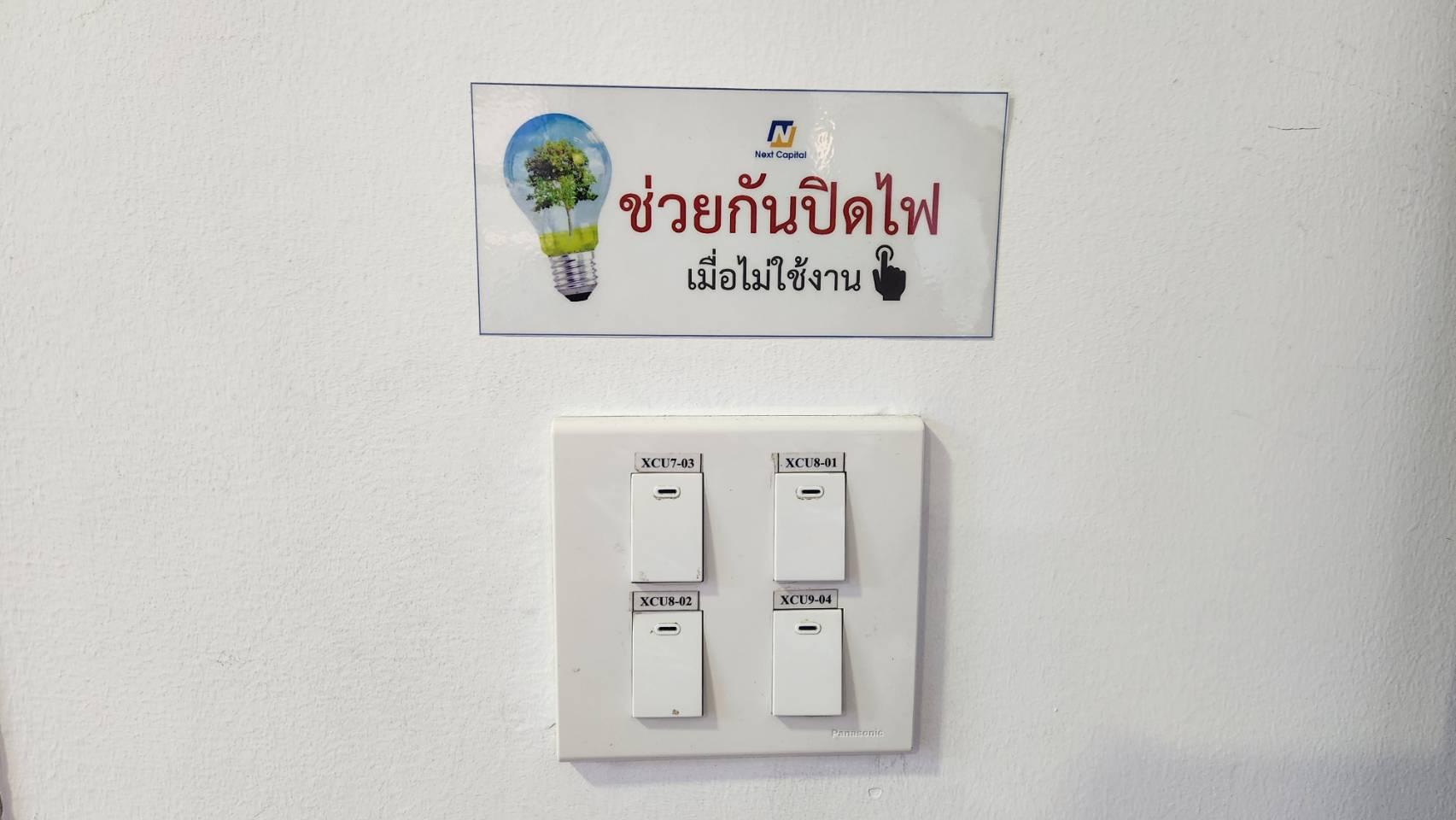
Project "Turn Off Lights During Breaks and After Work"
The company encourages employees to turn off lights in unused areas, such as offices, meeting rooms, and common areas, during breaks and after work, to reduce unnecessary electricity consumption and enhance energy efficiency within the office building.
Project "Turn Off Computer Screens During Lunch Break"
The company campaigns for employees to turn off computer screens during lunch breaks to help reduce energy consumption from unused electronic devices and foster appropriate energy discipline.
Project "Unplug Electrical Devices Every Friday and During Public Holidays"
The company encourages employees to unplug unused electrical devices on Fridays and during public holidays to reduce standby power consumption, which is energy used even when devices are in an inactive mode.
Monitoring and Evaluation
The company monitors electricity consumption data for its headquarters from monthly electricity bills and analyzes this data to compare energy usage trends over different periods. This is done to evaluate the results of energy-saving projects, such as the "Turn Off Lights During Breaks and After Work" project, the "Turn Off Computer Screens During Lunch Break" project, and the "Unplug Electrical Devices on Fridays and Public Holidays" project.
Energy — Electricity Consumption
Electricity Consumption
| Metric | Current Year | Previous Year | Two Years Ago | Remark |
|---|---|---|---|---|
| Total electricity consumption within the organization (Kilowatt-Hours) | 343,756 | 346,628 | 0 | Record historical electricity consumption data for 2024 and for 2025. |
| Electricity purchased for consumption from non-renewable energy sources (Kilowatt-Hours) | 343,756 | 346,628 | 0 | |
| Electricity purchased or generated for consumption from renewable energy sources (Kilowatt-Hours) | 0 | 0 | 0 |
Energy — Fuel Consumption
Fuel Consumption
| Metric | Current Year | Previous Year | Two Years Ago | Remark |
|---|---|---|---|---|
| Crude oil (Barrels) | 0 | 0 | 0 | |
| Coal (Metric tonnes) | 0 | 0 | 0 | |
| Jet fuel (Litres) | 0 | 0 | 0 | |
| Diesel (Litres) | 314,144.71 | 319,688.65 | 330,025.94 | Record oil consumption statistics for the years 2023 - 2024 and for 2025. |
| Gasoline (Litres) | 0 | 0 | 0 | |
| Fuel oil (Litres) | 0 | 0 | 0 | |
| Natural gas (Standard cubic feet) | 0 | 0 | 0 | |
| LPG (Kilograms) | 0 | 0 | 0 | |
| Steam (Metric tonnes) | 0 | 0 | 0 |
Energy — Targets
Has Set Targets
No
Energy — Performance & Outcomes
Has Performance Results
Yes
Performance Description
Energy Management Performance
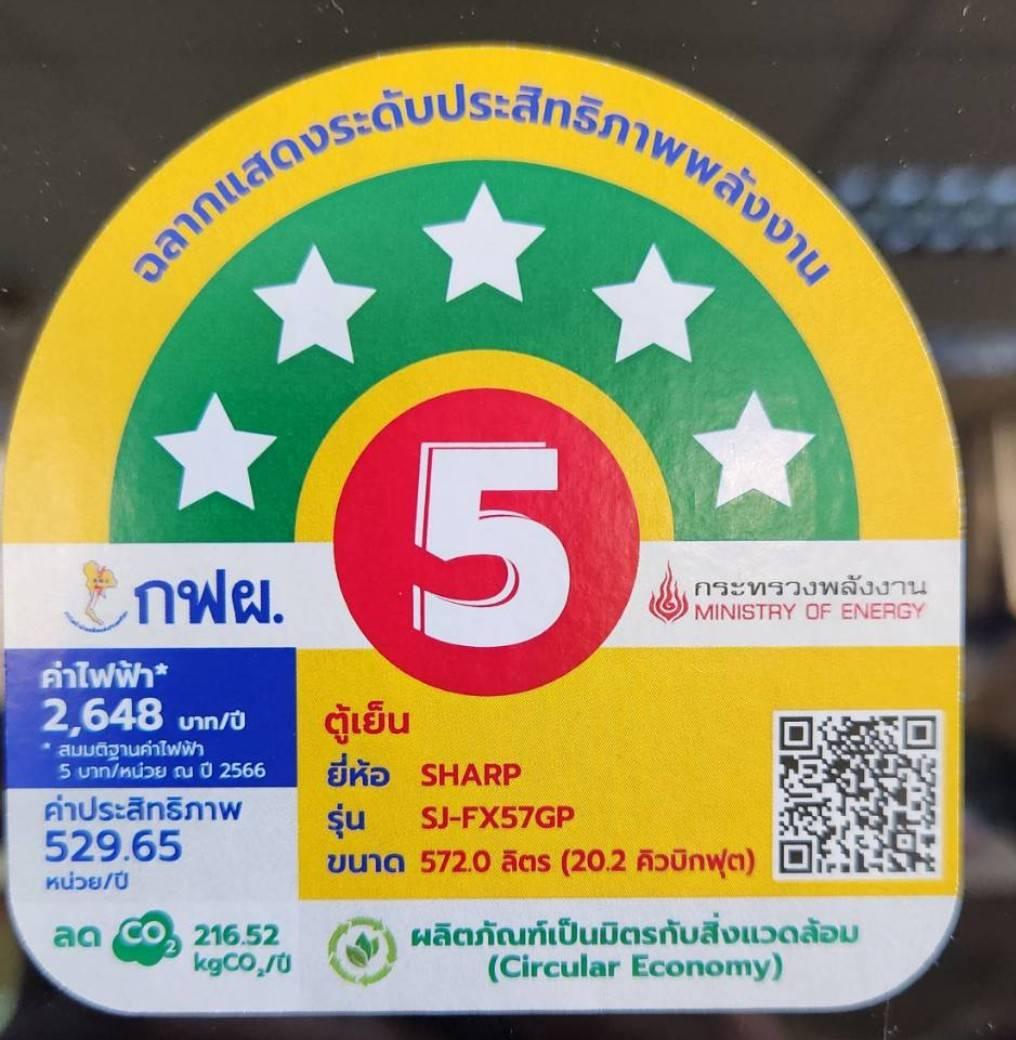
As a result of implementing efficient energy consumption measures, including various projects such as "lights off during breaks and after work," "computer screens off during lunch breaks," and "unplugging all electrical devices every Friday and during public holidays," there has been a continuous reduction in electricity consumption at the head office. The head office is located in a rented office building from a landlord, and the electricity costs for various years are as follows:
|
Year |
Head Office Electricity Costs |
Increase/Decrease from previous year |
|
2022 |
1,592,503.79 Baht |
Base Year |
|
2023 |
1,542,729.44 Baht |
Decreased by 49,774.35 Baht (3.12%) |
|
2024 |
1,510,844.91 Baht |
Decreased by 31,884.53 Baht (2.07%) |
|
2025 |
1,283,610.37 Baht |
Decreased by 227,234.54 Baht (15.04%) |
reflecting the increased efficiency of energy management measures and resource utilization.
Water — Plan & Guidelines
Has a Water Management Plan
Yes
Plan Description
Water Management Guidelines and Measures
1. Internal Water Conservation Campaign
The company promotes responsible water usage among employees through internal communication, such as placing water conservation signs in common areas, restrooms, and water points, as well as raising awareness about the environmental impact of wasteful water consumption.
2. Control and Reduction of Water Loss
The company regularly inspects water system equipment such as faucets, sanitary ware, and piping systems to prevent leaks and unnecessary water loss, and promptly carries out repairs upon detecting any abnormalities.
3. Use of Water-Saving Equipment
The company has begun replacing sanitary ware and water-using equipment in the office with water-saving devices, such as automatic push-button faucets or water-saving flushing systems, to enhance water efficiency per activity unit.
4. Water Management in Office Areas
The company establishes guidelines for water usage in office areas, such as controlling the duration of water use for cleaning tasks and appropriate water usage for housekeeping activities and building maintenance, to prevent excessive water consumption.
Monitoring and Evaluation
The company regularly monitors the water consumption of its head office based on monthly water bills to analyze water usage trends and use this data as a baseline for setting future water management targets.
Water — Withdrawal, Discharge & Consumption
Water Withdrawal, Discharge & Consumption
| Metric | Current Year | Previous Year | Two Years Ago | Remark |
|---|---|---|---|---|
| Total water withdrawal (Cubic meters) | 1,915 | 1,545 | 0 | Record statistical data on tap water consumption for the year 2024 and for the year 2025. |
| Total water withdrawal by third-party water (Cubic meters) | 1,915 | 1,545 | 0 | |
| Total water withdrawal by surface water (Cubic meters) | 0 | 0 | 0 | |
| Total water withdrawal by groundwater (Cubic meters) | 0 | 0 | 0 | |
| Total water withdrawal by seawater (Cubic meters) | 0 | 0 | 0 | |
| Total water withdrawal by produced water (Cubic meters) | 0 | 0 | 0 | |
| Percentage of wastewater treated before discharge (%) | 4.96 | 4.34 | 0 | The headquarters' leased building treats wastewater using two submersible aerator pumps that operate alternately to provide aeration, increase oxygen, and mix sludge in the treatment pond. Bionic microorganisms are added twice a month to enhance decomposition efficiency and reduce odors before discharging wastewater into the Bangkok Metropolitan Administration's (BMA) wastewater treatment pond. (The percentage of treated wastewater presented is specific to the headquarters. Branches, being commercial leased buildings, do not treat wastewater before discharge.) |
| Total water discharge (Cubic meters) | 1,915 | 1,545 | 0 | |
| Total water discharge to third-party water (Cubic meters) | 1,915 | 1,545 | 0 | |
| Total water discharge to surface water (Cubic meters) | 0 | 0 | 0 | |
| Total water discharge to groundwater (Cubic meters) | 0 | 0 | 0 | |
| Total water discharge to seawater (Cubic meters) | 0 | 0 | 0 | |
| Total water consumption (Cubic meters) | 1,915 | 1,545 | 0 | |
| Recycled water (Cubic meters) | 0 | 0 | 0 |
Water — Targets
Has Set Targets
No
Water — Performance & Outcomes
Has Performance Results
Yes
Performance Description
Year | Water utility expenses | Increase/decrease from previous year |
2024 | 47,358.94 Baht | Base year |
2025 | 55,602.91 Baht | Increased by Baht 8,243.97, representing 17.41% |
In 2025, water utility expenses increased by Baht 8,243.97 or 17.41% from the previous year, due to underground water pipe leaks at the Nonthaburi and Phuket branches. These incidents were beyond control, resulting in water loss during that period.
The company promptly carried out repairs upon detecting the anomaly and reviewed its internal control measures by increasing the frequency of water usage inspections and regularly monitoring water meter irregularities to prevent recurrence and reduce the risk of resource loss in the future.
Furthermore, the company has systematically begun collecting water usage data to support long-term monitoring and prepare for environmental data reporting in accordance with ESG guidelines and stock exchange disclosure standards. The results of these operations help foster an organizational culture of efficient resource utilization, reduce environmental impact, and support the company's long-term sustainable business goals.
Waste — Plan & Guidelines
Has a Waste Management Plan
Yes
Plan Description
Waste and Resource Management
The company prioritizes systematic waste and refuse management by implementing a campaign to encourage employees to separate waste into three categories: general waste, wet waste, and recyclable waste. This aims to enhance disposal efficiency and resource utilization, mitigate odor and insect problems that could affect employee well-being, and reduce the volume of waste sent to landfills.
In 2025, the company continuously implemented waste separation in the head office building, designated as a pilot area, focusing on paper and plastic bottle waste. This aims to promote the concepts of resource efficiency (Reuse) and recycling, while also fostering proper waste management habits within the organization.
Utilization of Recycled Materials (Circular Economy Initiative)
In 2025, the company implemented a project to produce 2,300 employee uniform shirts from recycled fibers derived from plastic bottles. This initiative involves upcycling waste materials back into the production process, helping to reduce plastic waste, decrease the consumption of new resources, and support the concept of a Circular Economy, which is an integral part of sustainable business practices.
The aforementioned project for producing uniform shirts from recycled materials contributes to reducing the use of new raw materials and indirectly mitigating greenhouse gas emissions from the production process. However, the company is currently developing a Carbon Reduction Accounting system to enable accurate quantitative reporting in accordance with international best practices in the next phase.
Raising Awareness on Waste Separation
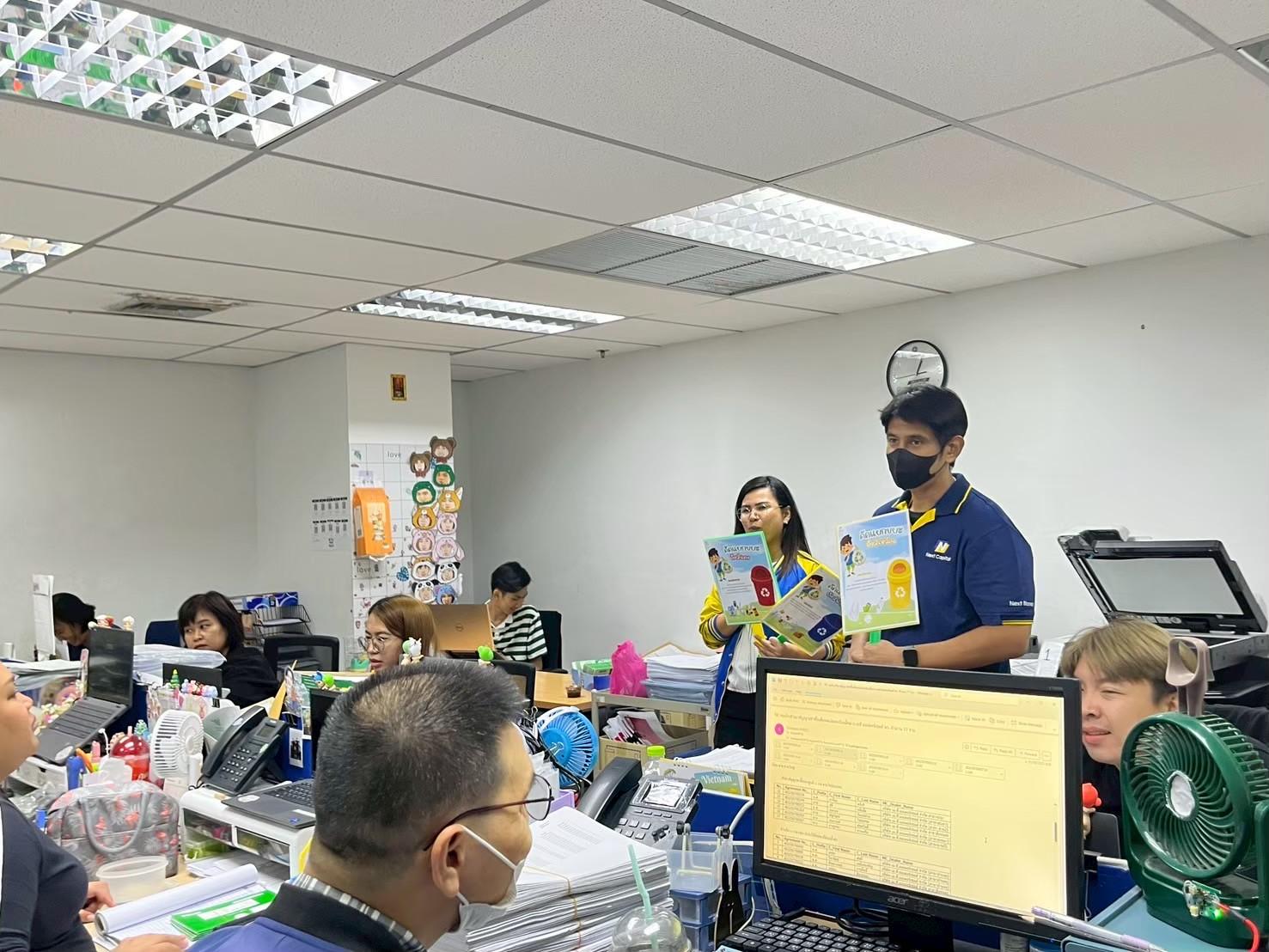
In 2024, the company participated in the "Ting To Trash" project, organized by the Securities and Exchange Commission (SEC) in collaboration with the Thai Listed Companies Association, to enhance employees' knowledge and understanding of proper waste separation.
In 2025, the company continued to build upon and maintain the continuity of these practices within the organization, focusing on internal communication, instilling waste separation habits in employees' daily lives, and integrating waste reduction concepts into routine operations to foster a sustainable waste management organizational culture and support long-term environmental impact reduction goals.
Waste — Generation, Disposal & Recycling
Waste Generation, Disposal & Recycling
| Metric | Current Year | Previous Year | Two Years Ago |
|---|---|---|---|
| Total waste generated (Kilograms) | 9,312 | 2,653.9 | 0 |
| Non-hazardous waste (Kilograms) | 9,312 | 2,653.9 | 0 |
| Non-hazardous waste - Landfilling (Kilograms) | 9,312 | 2,653.9 | 0 |
| Non-hazardous waste - Incineration (with energy recovery) (Kilograms) | 0 | 0 | 0 |
| Non-hazardous waste - Incineration (without energy recovery) (Kilograms) | 0 | 0 | 0 |
| Non-hazardous waste - Other disposal operations (Kilograms) | 0 | 0 | 0 |
| Hazardous waste (Kilograms) | 0 | 0 | 0 |
| Hazardous waste - Landfilling (Kilograms) | 0 | 0 | 0 |
| Hazardous waste - Incineration (with energy recovery) (Kilograms) | 0 | 0 | 0 |
| Hazardous waste - Incineration (without energy recovery) (Kilograms) | 0 | 0 | 0 |
| Hazardous waste - Other disposal operations (Kilograms) | 0 | 0 | 0 |
| Total reused/recycled waste (Kilograms) | 1,560 | 1,730 | 0 |
| Reused/Recycled non-hazardous waste (Kilograms) | 1,560 | 1,730 | 0 |
| Reused non-hazardous waste (Kilograms) | 0 | 865 | 0 |
| Recycled non-hazardous waste (Kilograms) | 1,560 | 865 | 0 |
| Reused/Recycled hazardous waste (Kilograms) | 0 | 0 | 0 |
| Reused hazardous waste (Kilograms) | 0 | 0 | 0 |
| Recycled hazardous waste (Kilograms) | 0 | 0 | 0 |
Waste — Targets
Has Set Targets
No
Waste — Performance & Outcomes
Has Performance Results
Yes
Performance Description
Waste and Waste Management Performance
The company prioritizes systematic waste and waste management, focusing on reducing waste at the source and increasing the utilization of materials (Reuse and Recycle) to support efficient resource use and the concept of a Circular Economy.
In 2025, the company continuously implemented waste management measures, collecting data on waste volume from operations and recycling activities, with the following key performance results:
The company was able to return recyclable materials, including plastic bottles, paper, and corrugated cardboard boxes, to the recycling system, averaging approximately 1,560 kilograms per year (based on data collected from office waste and operational areas).
The volume of general waste from internal operations is approximately 9,312 kilograms per year (based on data collected from office waste and operational areas).
Furthermore, the company implemented a project to produce 2,300 uniform shirts from recycled fibers derived from plastic bottles. This initiative involves bringing waste materials back into the production process (Upcycling), which helps reduce the use of new resources and supports the circular economy approach. 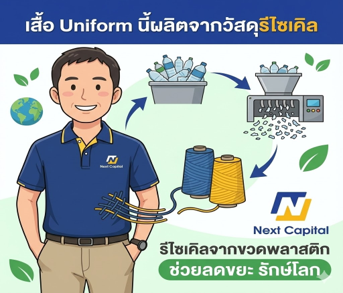
System and Approach Development in the Next Phase
The company is currently developing a waste and waste database system to enhance data accuracy and completeness, as well as to establish waste management indicators aligned with internationally recognized sustainability practices. The goal is to continuously improve the efficiency of waste segregation at the source and increase the proportion of waste utilization in the next phase.
GHG — Plan & Guidelines
Has a GHG Management Plan
No
Plan Description
Greenhouse Gas Emission Reduction Management
The company recognizes the importance of addressing climate change and the impacts of greenhouse gas emissions from business operations. Therefore, it has established environmental management guidelines focused on efficient resource utilization, waste reduction, and process improvements aligned with sustainable development approaches.
Operational Plan for Greenhouse Gas Emission Reduction
-
Efficient Vehicle Management
The company has established guidelines for maintaining operational vehicles to ensure energy efficiency and reduce emissions. Vehicles are required to undergo inspections at appropriate intervals to improve fuel combustion efficiency, reduce energy consumption, and minimize gas emissions from vehicle usage.
-
Sustainable Procurement
The company has established procurement guidelines that consider environmental impacts, promoting the selection of environmentally friendly office supplies and products, such as recyclable materials, energy-saving equipment, and long-lasting products, to reduce the consumption of natural resources and minimize waste from operational processes.
-
Paper Reduction and Digital Transformation
The company continuously implements paper reduction measures by promoting double-sided printing, reusing paper, and improving work processes through digitalization. This includes developing a Mobile Application system and an e-Document Platform to systematically support paperless operations.
-
Development of Electronic Document Delivery Systems (e-Bill / e-Tax)
The company has developed electronic channels for delivering accounting and tax documents to help reduce paper consumption, minimize document transportation, and enhance customer service efficiency.
-
Promoting Environmentally Friendly Employee Behavior
The company conducts internal communication activities to instill environmentally friendly behaviors, such as campaigns promoting the use of cloth bags and personal water bottles to reduce single-use plastics and encourage responsible resource consumption.
-
Development of a Greenhouse Gas Management System in the Next Phase
The company began collecting greenhouse gas emission data in 2024 to develop an environmental database. It is currently defining the scope of data collection to cover Scope 1 and Scope 2, with plans to expand to Scope 3 in the next phase, while also developing a data quality control system and preparing for external verification.
GHG — Emissions
GHG Emissions
| Metric | Current Year | Previous Year | Two Years Ago |
|---|---|---|---|
| Total GHG emissions (Metric tonnes of carbon dioxide equivalent) | 0 | 0 | 0 |
| Total greenhouse gas emissions 1 (Metric tonnes of carbon dioxide equivalent) | 0 | 0 | 0 |
| Total greenhouse gas emissions 2 (Metric tonnes of carbon dioxide equivalent) | 0 | 0 | 0 |
| Total greenhouse gas emissions 3 (Metric tonnes of carbon dioxide equivalent) | 0 | 0 | 0 |
GHG — Emissions Verification
Emissions Verified by a Third Party
No
GHG — Targets
Has Set GHG Targets
No
GHG — Performance & Outcomes
Has Performance Results
Yes
Performance Description
In 2025, the company was able to implement concrete greenhouse gas reduction measures, with the following significant results:
Vehicle Management
The company submitted 63 leased operational vehicles for scheduled inspections, resulting in optimal vehicle performance, reduced exhaust emissions, and decreased energy consumption during use.
Paper reduction through digital systems
The development of the e-Document and Mobile Application systems from 2022–2024 has enabled core work processes to be conducted digitally and efficiently, reducing paper usage and increasing data management speed.
e-Bill / e-Tax Performance
In 2025, the company increased the proportion of electronic document delivery to 83.73% of all documents, thereby reducing paper consumption, lowering printing and delivery costs, and indirectly decreasing greenhouse gas emissions from document transportation processes.
Employee Engagement
Internal campaigns helped reinforce employees' environmental behaviors, fostering a culture of efficient resource utilization and supporting the organization's environmental impact reduction goals.
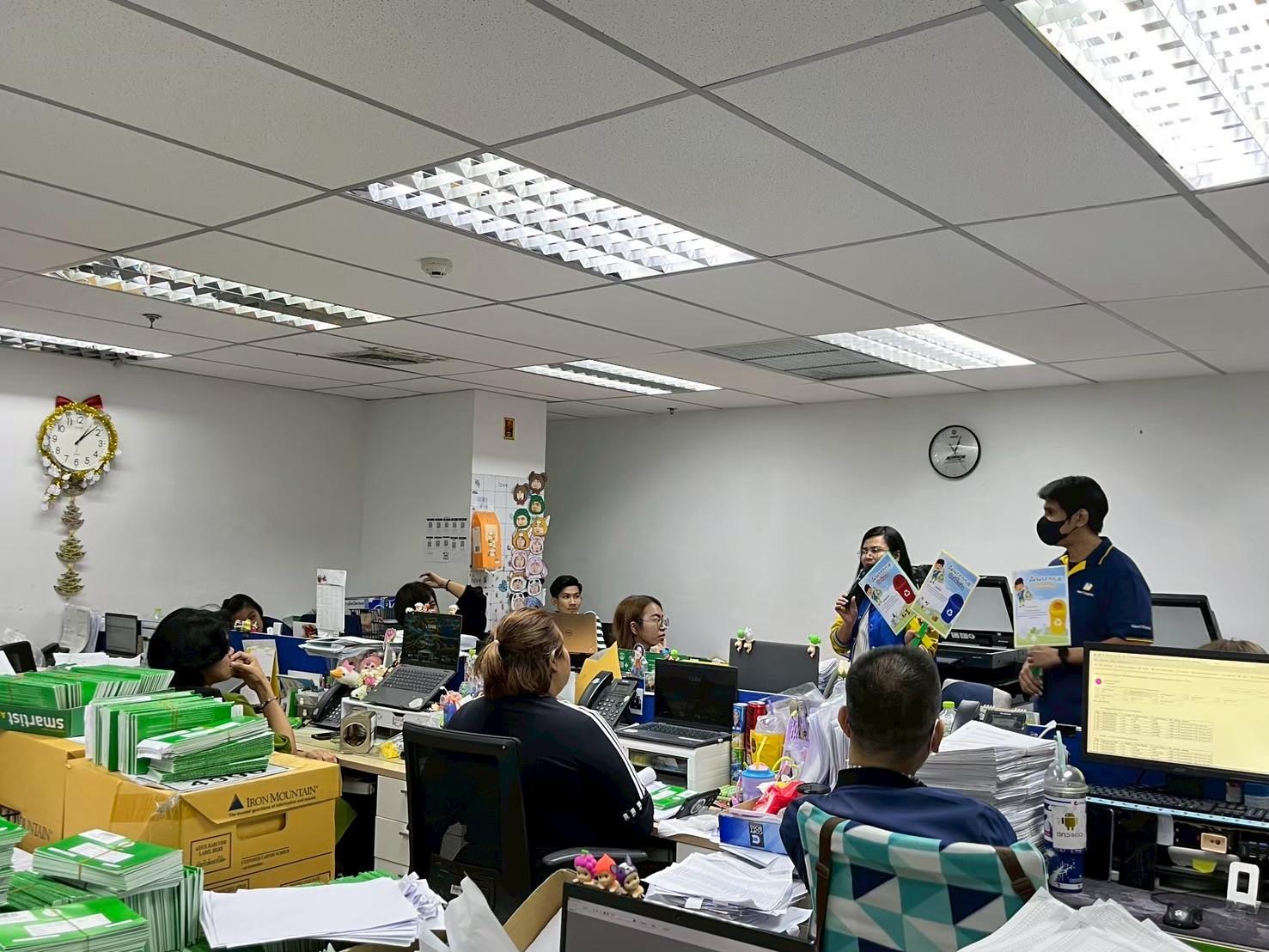
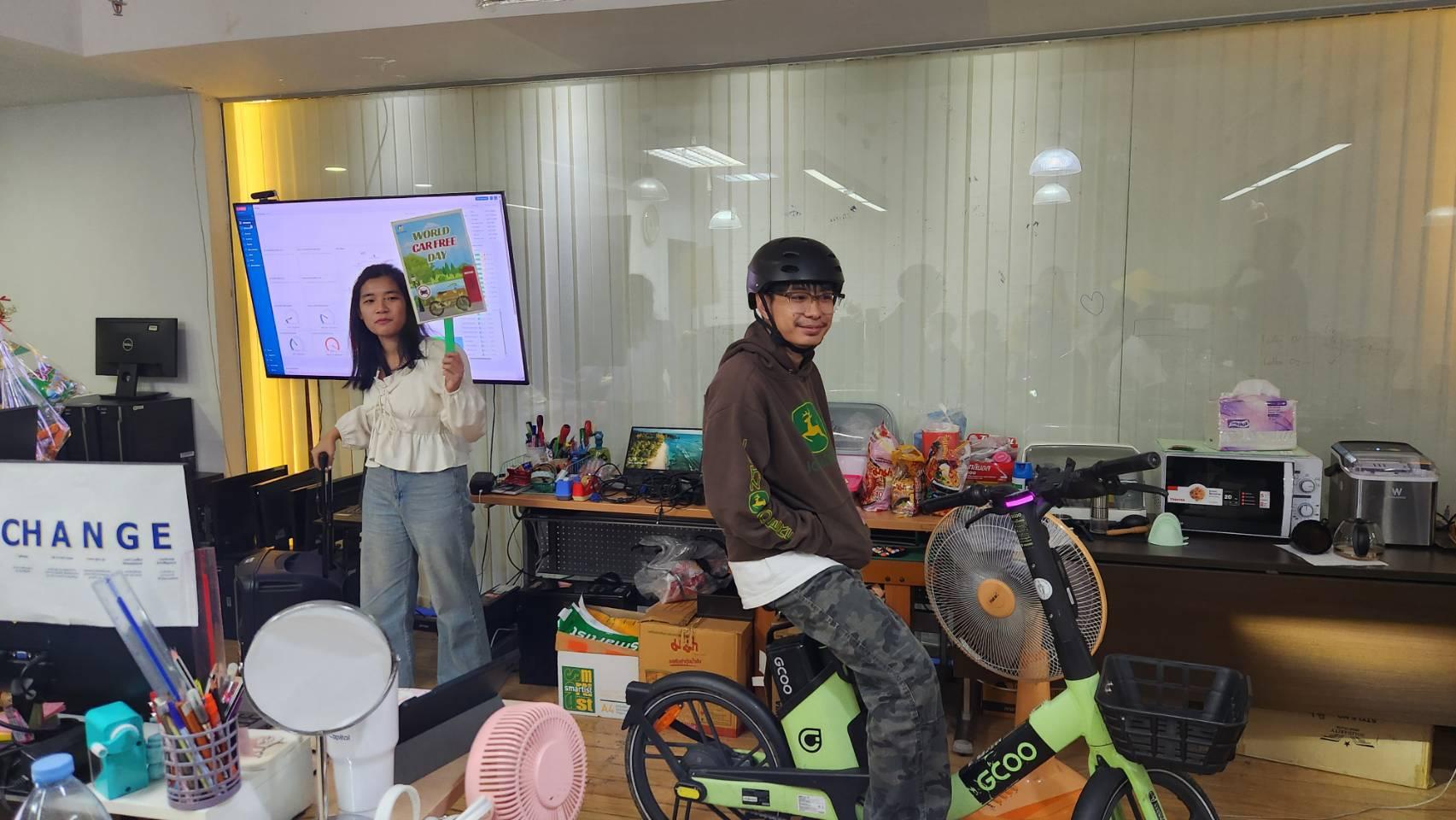
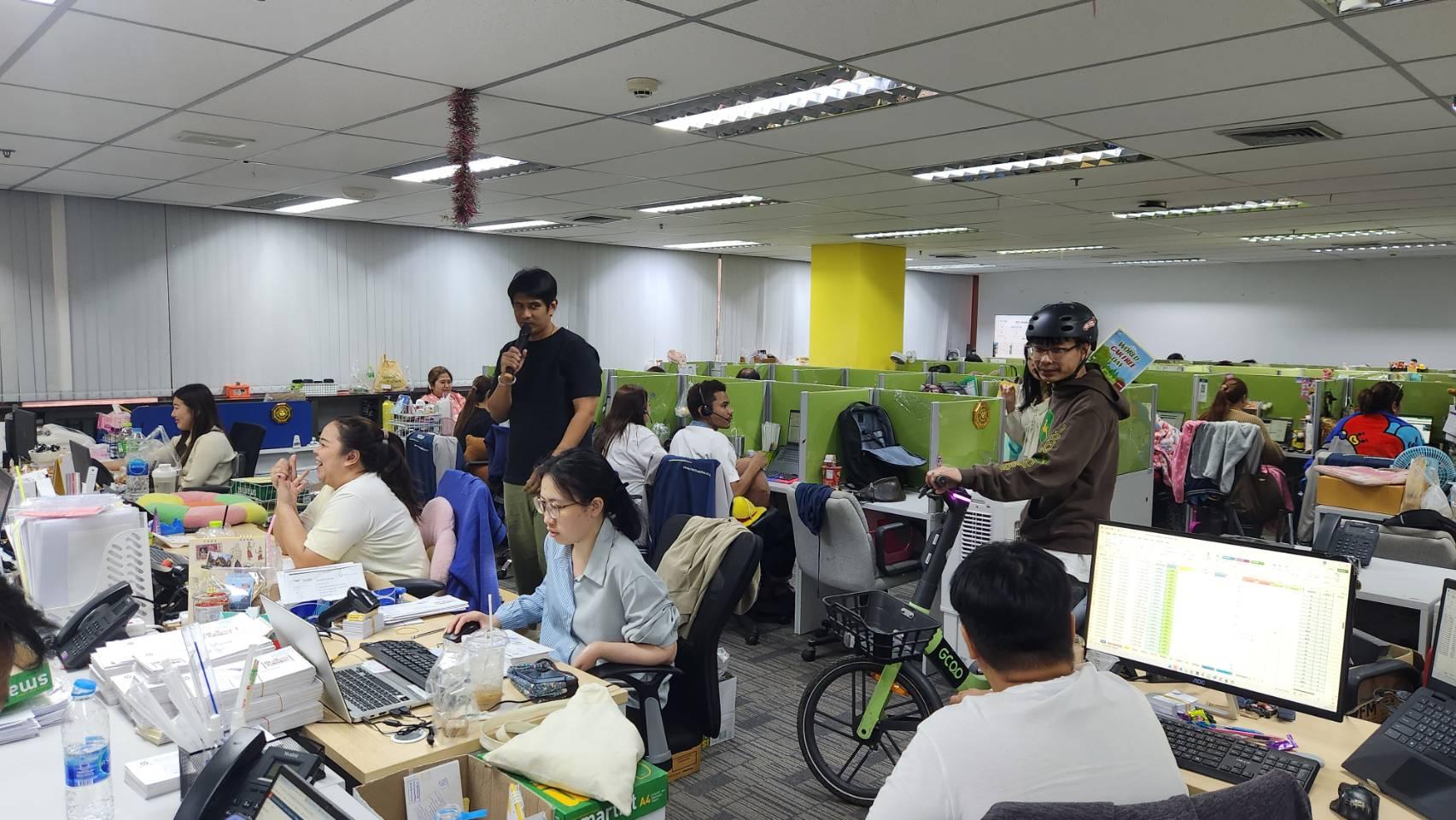
ESG Car Free Day Activity
The ESG Car Free Day activity contributed to reducing employees' personal vehicle usage on the event day and indirectly supported the reduction of greenhouse gas emissions from commuting. It also promoted environmental awareness and fostered employee engagement in driving the organization's sustainability culture.
Development of Greenhouse Gas Database
The company has continuously collected greenhouse gas emission data to serve as baseline information for analyzing emission trends and preparing for future reporting in accordance with international best practices.
Next Phase Objectives
The company aims to develop a more comprehensive and systematic greenhouse gas management system, with key objectives including:
-
Complete establishment of Scope 1 and Scope 2 greenhouse gas emission databases
-
Preparation for Scope 3 expansion
-
Develop data quality control system and verification process
-
Preparation for certified data reporting by 2027
Environmental Legal Incidents
Legal Violation Incidents
| Metric | Current Year | Previous Year | Two Years Ago |
|---|---|---|---|
| Number of cases or incidents of legal violations or negative environmental impact (cases) | 0 | 0 | 0 |
Employees — Plan & Guidelines
Has an Employee Management Plan
Yes
Plan Description
The Company prioritizes strategic human resource management to enhance its long-term organizational capabilities. It has systematically implemented employee development and care plans, covering compensation structure, high-potential personnel development, training, and employee engagement, as follows:
Salary Structure and Compensation Management
The Company has established a fair, transparent, and competitive salary structure and compensation management system that aligns with job responsibilities and labor market trends, aiming to incentivize performance and retain high-potential personnel. The Company periodically reviews its salary structure to ensure consistency with organizational performance, economic conditions, and labor market changes, while strictly adhering to labor laws and relevant regulations.
High-Potential Personnel Development Program (Talent Development Program)
The Company has implemented a High-Potential Personnel Development Program (Talent Program) to prepare high-potential employees for critical future roles. This program focuses on developing leadership skills, strategic capabilities, and competencies aligned with business direction. It supports succession planning and strengthens the continuity of sustainable organizational management.
Employee Training and Development
The Company provides continuous training and development plans for its personnel to enhance the knowledge, abilities, and skills necessary for their work, covering:
-
Professional Skills (Functional Skills)
-
Managerial Skills (Managerial Skill)
-
Ethical and Governance Skills
-
Digital and Technology Skills
In 2025, the Company developed and implemented an e-Learning Platform as a tool to support employee learning, enhancing flexibility in accessing training content, reducing time and location constraints, and promoting continuous self-learning. The Company has conducted training in On-site, Online, and digital platform formats to foster a culture of Lifelong Learning.
Promoting Employee Relations and Engagement
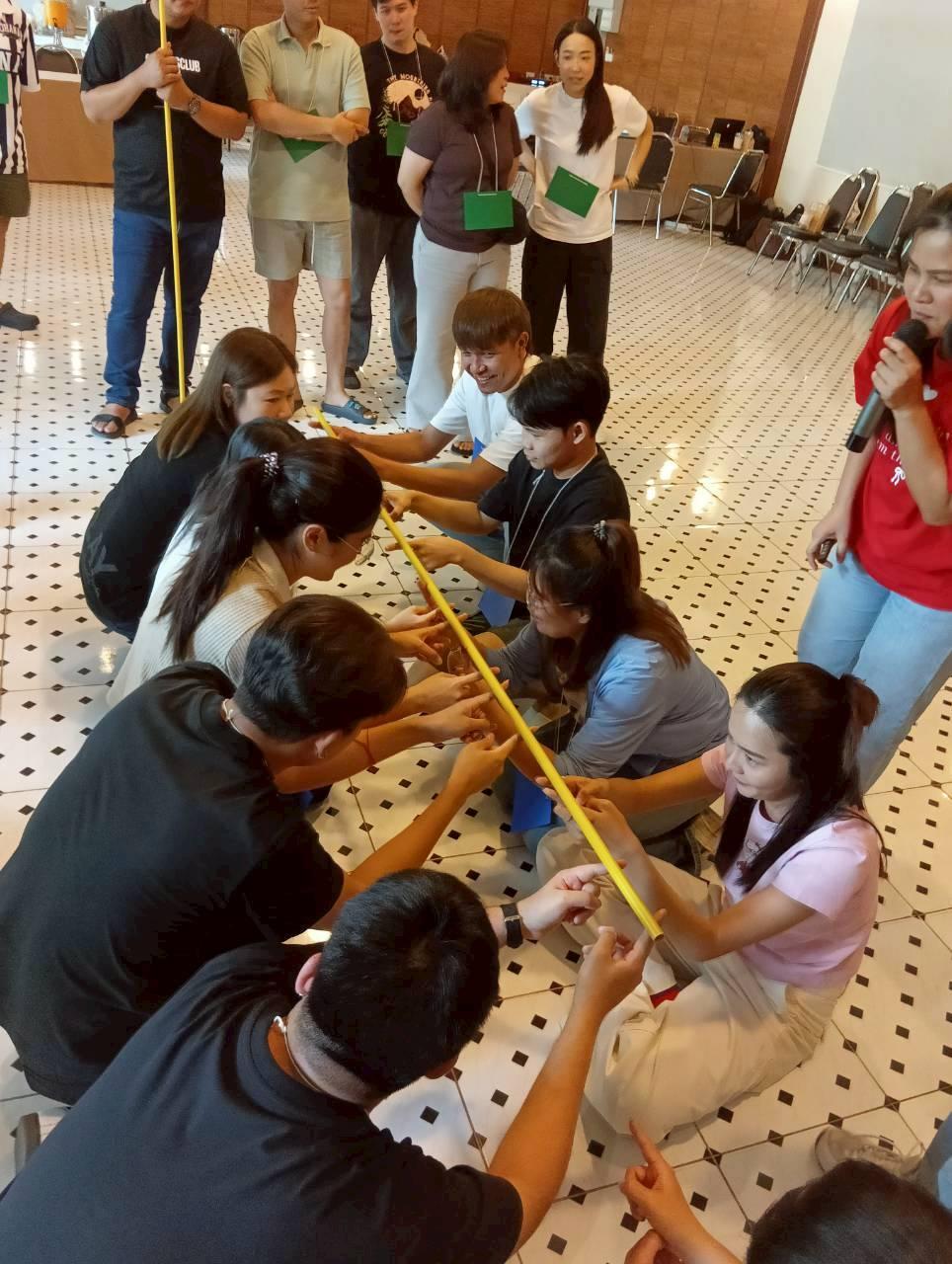
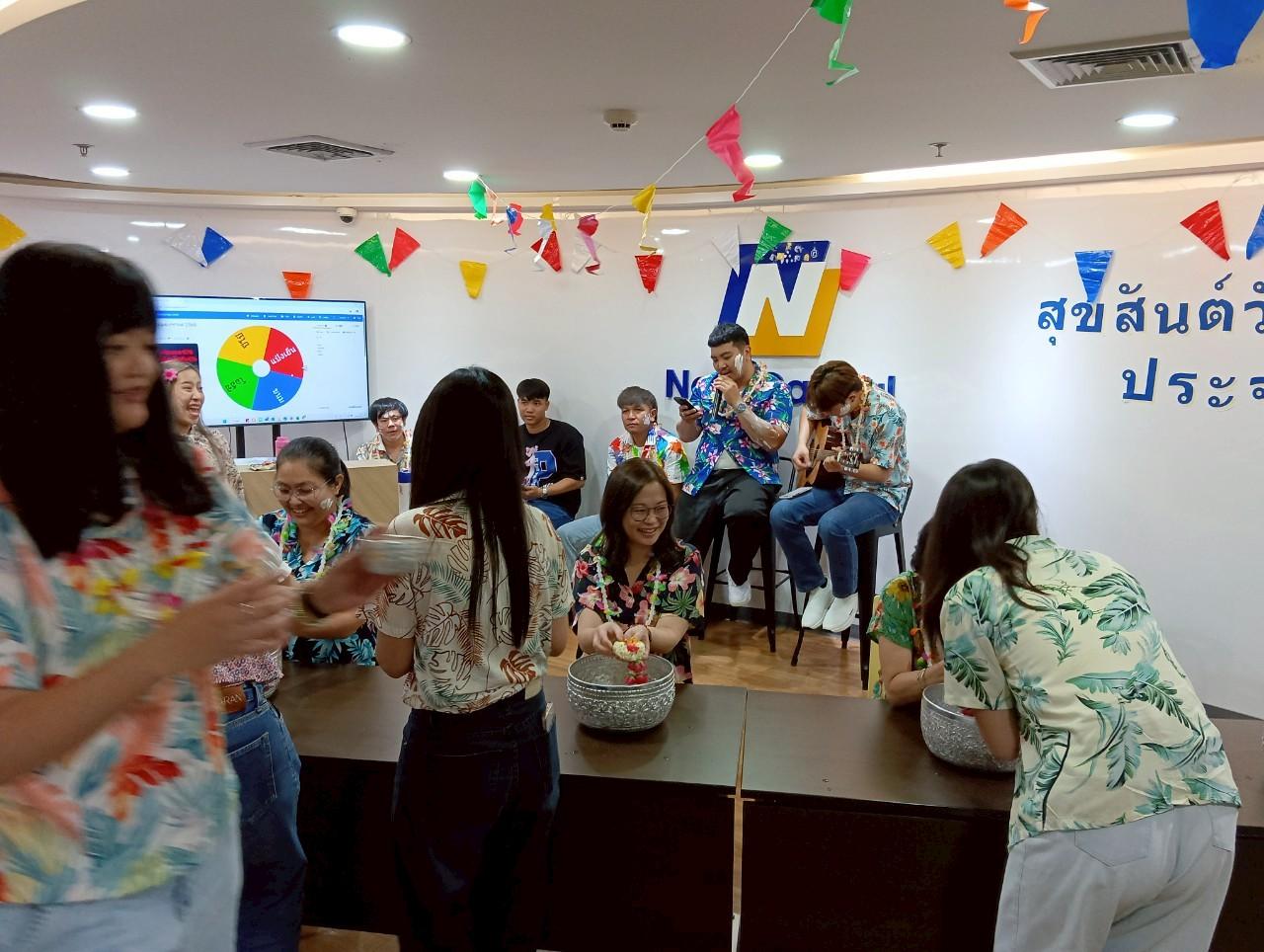
The Company emphasizes fostering employee engagement and satisfaction by continuously organizing activities that promote relationships and participation, such as internal communication activities, team-building events, and initiatives to promote organizational culture. These efforts contribute to a positive work environment, increase work motivation, and support the retention of high-potential employees within the organization in the long term.
Continuous Monitoring and Development
The Company regularly monitors and evaluates its human resource management performance, utilizing the evaluation results to improve plans and management approaches, thereby enhancing organizational efficiency and strengthening sustainable competitiveness.
Plan Areas
| Plan Area |
|---|
| Fair employee compensation |
| Employee training and development |
| Promoting employee relations and participation |
| Occupational health and safety in workplace |
Employees — Workforce
Workforce Data
| Metric | Current Year | Previous Year | Two Years Ago |
|---|---|---|---|
| Total number of employees (Persons) | 743 | 726 | 707 |
| Number of male employees (Persons) | 494 | 475 | 454 |
| Number of female employees (Persons) | 249 | 251 | 253 |
| Total employment of disabled persons (people) | 2 | 6 | 4 |
| Total disabled employees (people) | 2 | 6 | 4 |
| Total male disabled employees (people) | 1 | 1 | 2 |
| Total female disabled employees (people) | 1 | 5 | 2 |
| Total disabled workers who are non-employee (people) | 0 | 0 | 0 |
| Contributions to the fund for promoting and improving the quality of life for disabled persons | 1 | 1 | 1 |
| Total number of male employees in operational level (Persons) | 470 | 448 | 424 |
| Total number of male employees in management level (Persons) | 22 | 25 | 27 |
| Total number of male employees in executive level (Persons) | 2 | 2 | 3 |
| Total number of female employees in operational level (Persons) | 231 | 235 | 233 |
| Total number of female employees in management level (Persons) | 16 | 14 | 18 |
| Total number of female employees in executive level (Persons) | 2 | 2 | 2 |
Employees — Remuneration & Provident Fund
Introduction
Compensation, Welfare, and Other Benefits
The company has a policy to manage compensation, welfare, and other benefits for all employees equally, fairly, and without discrimination, taking into account their knowledge, abilities, responsibilities, and job characteristics, as well as their overall quality of life. The company aims to support wages and benefits that are appropriate and sufficient for a living wage, in compliance with relevant labor laws, and has disseminated information about these benefits to all employees to ensure they are aware of their rights through work regulations and welfare policies, as follows:
-
Financial assistance benefits include gratuities for marriage and childbirth, death benefits and wreaths, housing loans with the Government Housing Bank, employee sick visit benefits, etc.
-
Health benefits include accident insurance, annual employee health check-ups, medical expenses, etc.
-
Funds include provident fund, workmen's compensation fund, social security fund, etc.
-
Other benefits, employee holidays and leave, employee referral program, travel allowance and accommodation, employee uniforms, etc.
Remuneration & Provident Fund
| Metric | Current Year | Previous Year | Two Years Ago |
|---|---|---|---|
| Total disabled employees (people) | 418,748,609 | 375,057,357 | 387,471,881 |
| Total male employee remuneration (Baht) | |||
| Total female employee remuneration (Baht) | |||
| Number of employees eligible to participate in PVD (persons) | 665 | 673 | 693 |
| Total number of employees joining employee provident fund (Persons) | 526 | 558 | 594 |
| Percentage of total number of employees joining employee provident fund to total number of employees (%) | 70.79 | 76.86 | 84.02 |
| Number of PVD members / Total eligible employees (%) | 79.1 | 82.91 | 85.71 |
| Total amount of provident fund contributed by the Company (Baht) | 2,129,731 | 2,111,376.19 | 1,410,567.15 |
| Total amount of provident fund contributed by employee (baht) | 12,309,525 | 11,635,169 | 11,688,804 |
Employees — Training & Development
Introduction
Fair Service Course (Market Conduct)
The company provides Market Conduct training for customer-facing employees to enhance their understanding of fair service, transparency, and compliance with regulatory requirements. This helps elevate service standards and mitigate the organization's regulatory risks.
Personal Data Protection Act (PDPA) Course
The company conducts Personal Data Protection Act (PDPA) training to raise employee awareness regarding the proper collection, use, and protection of data, thereby supporting secure business operations and compliance with legal requirements.
ESG Awareness Course
The company organizes ESG awareness activities to enhance understanding of sustainable development principles, the role of employees in mitigating environmental impacts, creating social value, and conducting business with good governance, thereby fostering a culture of sustainability within the organization.
Leadership Development Program
The company implements a Leadership Development Program to enhance the capabilities of executives and supervisors at all levels, equipping them with skills in team management, strategic decision-making, effective communication, and ethical leadership. The program aims to cultivate leaders who can drive the organization towards sustainable growth and align with its vision and values.
High Potential Development Program
The company has established a High Potential Development Program (Talent Program) to prepare target employees for future key positions. This program focuses on developing in-depth professional skills, problem-solving abilities, cross-functional collaboration, and leadership readiness. This initiative is part of succession planning to ensure business continuity and long-term organizational stability.
Training Data
| Metric | Current Year | Previous Year | Two Years Ago |
|---|---|---|---|
| Average employee training hours (Hours / Person / Year) | 11.62 | 8 | 14 |
| Employee development and training expenses (baht) | 2,931,087.91 | 548,671.77 | 2,886,844.72 |
Employees — Occupational Health & Safety
Introduction
Annual fire evacuation training and drill for 2025
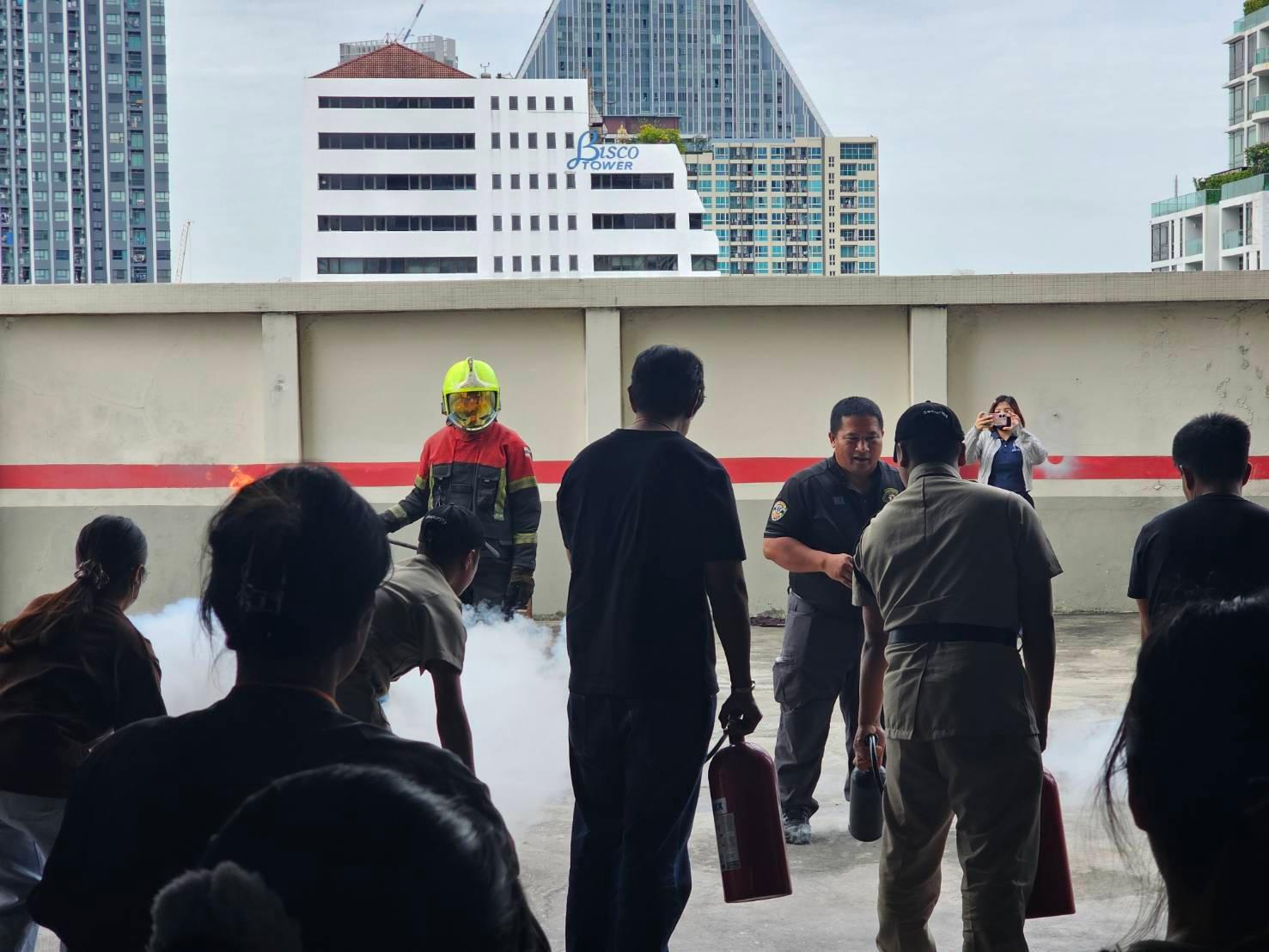
Annual earthquake evacuation training and drill for 2025

Occupational Health & Safety Data
| Metric | Current Year | Previous Year | Two Years Ago |
|---|---|---|---|
| Total number of lost time injury incidents by employees (Cases) | 0 | 0 | 0 |
Employees — Labour Relations
Labour Relations — Introduction
In 2025, the company conducted an Employee Engagement Survey covering all levels of employees. The survey achieved a response rate of 84% of all employees and received an overall satisfaction score of no less than 80%, which reflects a satisfactory level of employee engagement with the organization.
The company has utilized the survey results as data for formulating human resource development plans, such as developing the potential of line managers, enhancing the effectiveness of internal communication, and designing employee engagement activities, to continuously elevate the employee work experience and foster long-term employee engagement.
Labour Relations Data
| Metric | Current Year | Previous Year | Two Years Ago |
|---|---|---|---|
| Total voluntary resignations (Persons) | 91 | 89 | 199 |
| Male employees who voluntary resigned (Persons) | 58 | 61 | 144 |
| Female employees who voluntary resigned (Persons) | 33 | 28 | 55 |
| Percentage of employee turnover leaving the Company voluntarily (%) | 12.25 | 12.26 | 28.15 |
| Evaluation result of employee engagement | 1 | 1 | 1 |
Employees — Employee Representation
Employees Are Represented Collectively
Yes
Forms of Representation
| Form |
|---|
| Welfare committee |
Employees — Targets
Has Set Employee Targets
No
Employees — Performance & Outcomes
Has Performance Results
No
Performance Description
Performance and Outcomes in Employee and Labor Management
In 2025, the company systematically implemented human resource management measures, resulting in positive outcomes for work efficiency, employee engagement, and organizational stability, as follows:
Compensation and Salary Structure
The Company has managed its salary structure to ensure fairness and alignment with job roles and levels of responsibility. This approach enables employees to perceive transparency in compensation management, enhances motivation, and supports the retention of high-potential personnel within the organization.
Personnel Development and Retention (Talent Development)
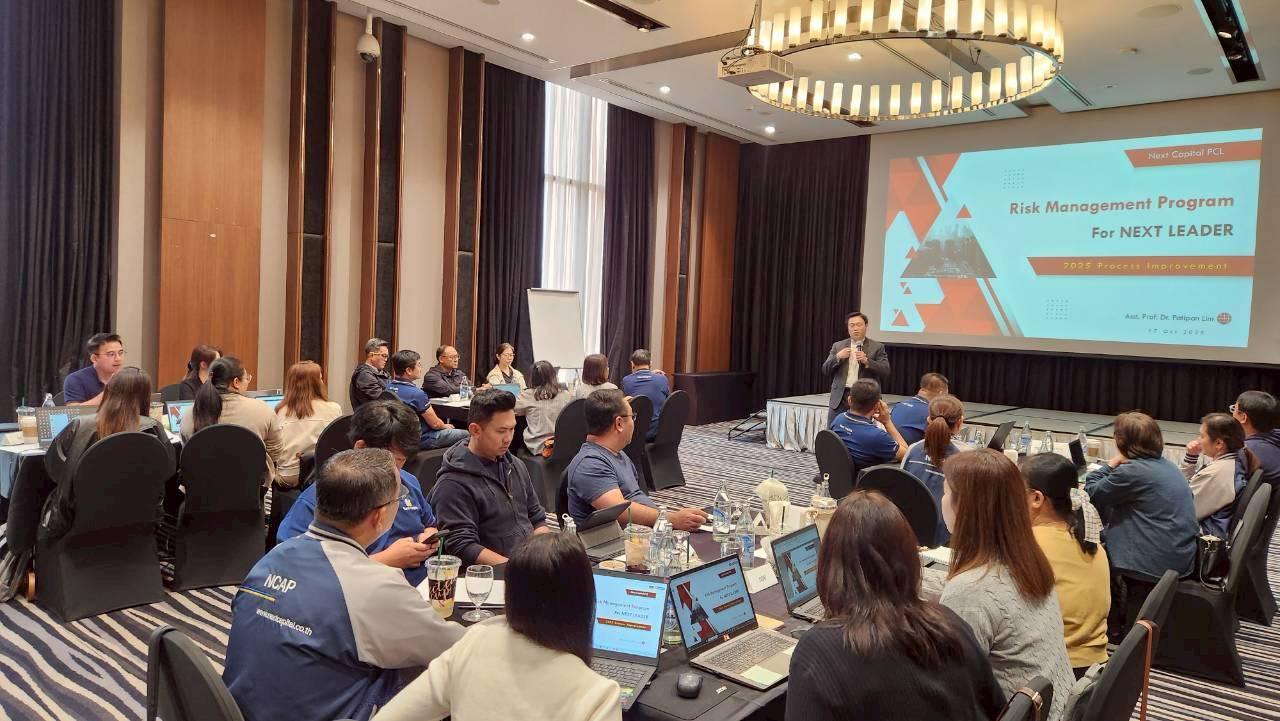
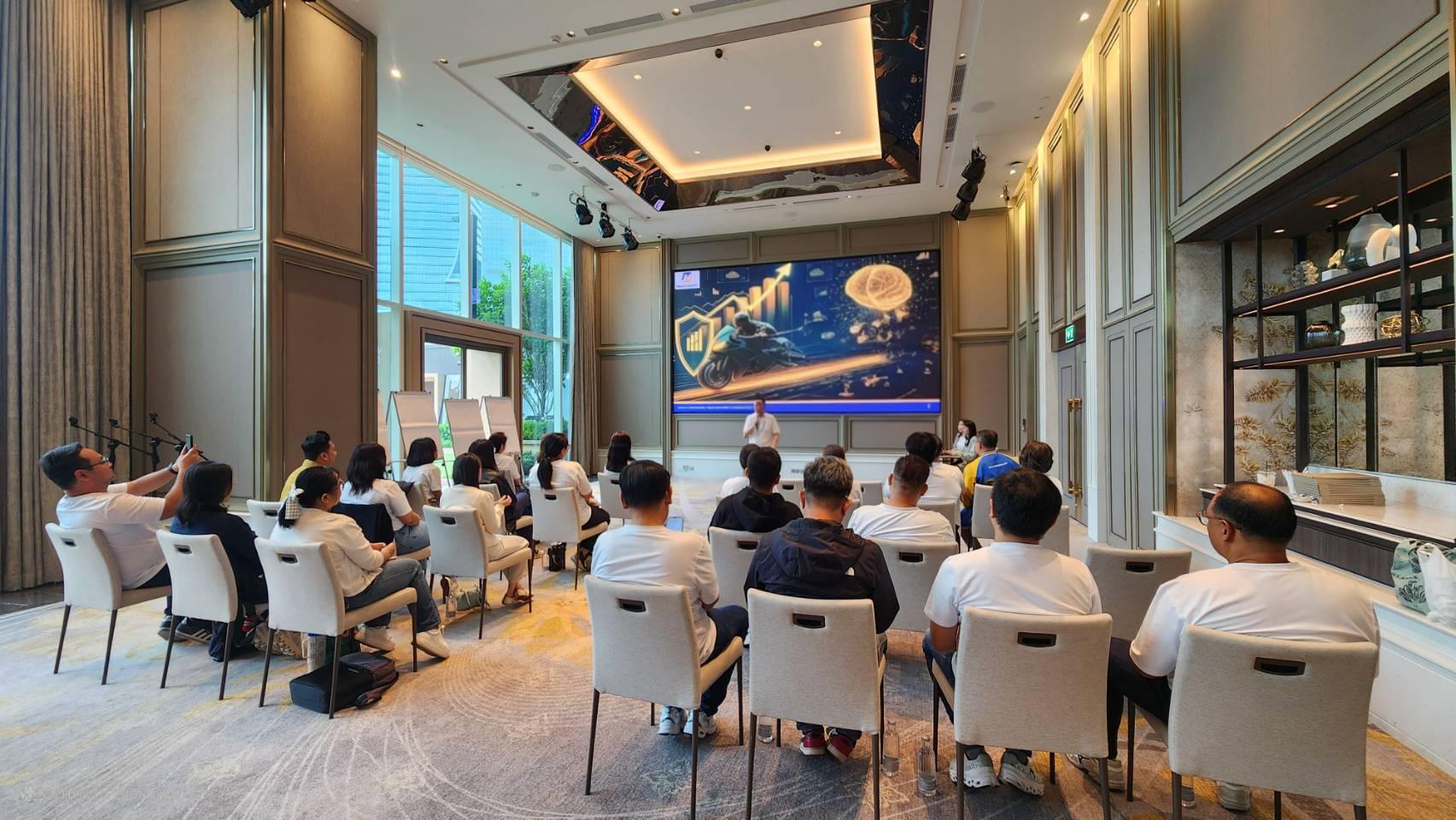
The company has implemented a Talent Program to develop high-potential employees, resulting in the preparation of personnel for key future positions, helping to reduce the risk of a shortage of core personnel, and strengthening business continuity.
Training and Learning
The company has organized training in both classroom and e-Learning Platform formats, enabling employees to access learning comprehensively and continuously, increasing flexibility in skill development, and supporting the enhancement of personnel capabilities in line with business direction.
Employee Engagement and Participation
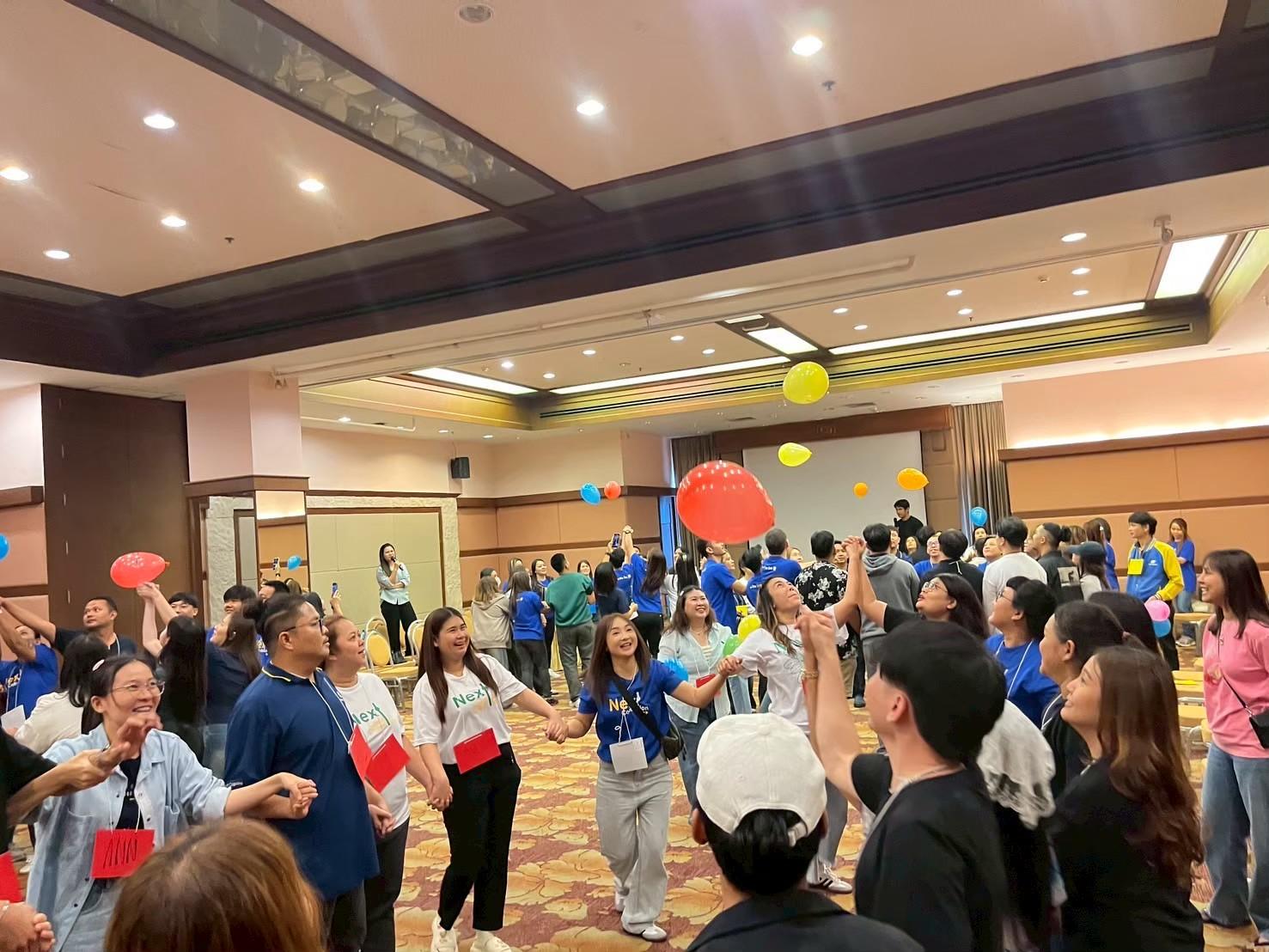
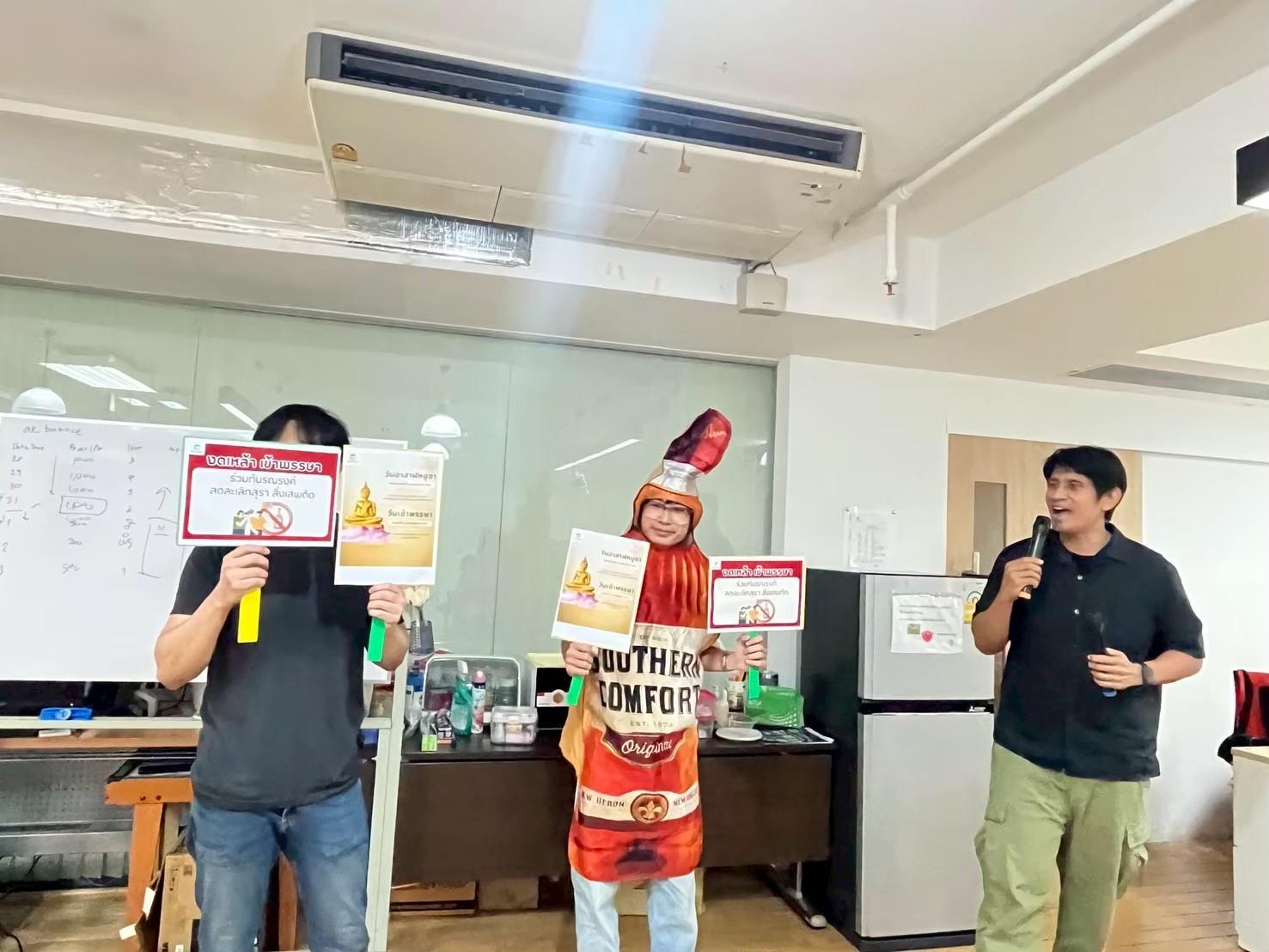
The company has continuously organized Engagement Activities, resulting in a positive work environment, strengthening relationships between employees and the organization, and increasing the level of cross-departmental collaboration.
Overall Organizational Outcomes
From the past year's operations in employee and labor management, the company has been able to strengthen human resource stability, enhance long-term personnel readiness, and support sustainable organizational growth.
Customers — Plan & Guidelines
Has a Customer Management Plan
Yes
Plan Description
Responsible Customer Service
The company sets customer service standards based on principles of fairness, transparency, and compliance with relevant laws and regulatory requirements. This includes establishing Market Conduct guidelines and operational manuals for employees interacting with customers to ensure that products and services are presented appropriately, do not cause misunderstandings, and prioritize the best interests of customers.
Communication of information regarding the impact of products and services to customers/consumers
The company emphasizes communicating accurate, clear, and complete information to customers. This involves disclosing details regarding service terms, costs, customer rights and responsibilities, as well as potential risks associated with using products and services through contract documents, websites, digital channels, and the company's public relations materials. To prevent misunderstandings, the company has established communication formats using easily understandable language and provides training to employees to ensure they can explain information to customers appropriately.
Development of satisfaction and strengthening customer relationships
The company continuously works to enhance customer satisfaction by providing channels for customer feedback and complaints through customer service centers, telephone, and online platforms, and establishing a systematic process for tracking and resolving issues.
Furthermore, the company analyzes data from the Voice of Customer to improve service quality, operational processes, and develop products in line with customer needs to foster long-term relationships and trust in the organization.
Customer Personal Data Protection (Data Privacy & Cybersecurity)
The company prioritizes the protection of customer personal data by complying with the Personal Data Protection Act (PDPA) and establishing an Information Security Policy to control data access, storage, and appropriate data usage. The company defines data access rights according to job responsibilities and regularly trains employees on customer data confidentiality to mitigate cybersecurity risks and build trust among stakeholders.
Plan Areas
| Plan Area |
|---|
| Responsible production and services for customers |
| Communication of product and service impacts to customers/consumers |
| Development of customer satisfaction and customer relationship |
| Protection of customer personal information |
Customers — Satisfaction Results
Customer Satisfaction Results
| Metric | Current Year | Previous Year | Two Years Ago |
|---|---|---|---|
| Evaluation results of customer satisfaction | 1 | 1 | 1 |
Customers — Targets
Has Set Customer Targets
No
Customers — Performance & Outcomes
Has Performance Results
Yes
Performance Description
Responsible Customer Service: Operational Guidelines
The company continuously conducts Market Conduct training for employees to enhance their knowledge of service ethics, consumer protection, and compliance with legal requirements. It also systematically monitors service quality through channels for receiving customer complaints and suggestions.
Operational results
As a result of these measures, the company has been able to elevate customer service standards across the organization, reduce risks associated with unfair service, and continuously build customer trust in the organization. In 2025, the company achieved a customer satisfaction rate of 98%, reflecting the efficiency of its service system and its ability to appropriately meet customer needs.
Communication of product and service information to customers
Operational Guidelines
The company establishes communication guidelines that use easy-to-understand language and provides training to employees to enable them to explain information to customers appropriately, thereby preventing misunderstandings and supporting customers' informed decision-making.
The company prioritizes the accurate, clear, and complete disclosure of product and service information. It communicates information regarding service terms, costs, customer rights and responsibilities, and associated risks through contract documents, its website, and the company's digital channels.
Operational results
Such operations help increase transparency in service delivery, reduce complaints arising from misunderstandings, and build customer confidence in the information presented by the company. This continuously maintains a good quality of relationship between the company and its customers.
Development of customer satisfaction and relationships
Operational Guidelines
The company provides channels for receiving feedback and complaints from customers through its customer service center, telephone, and online platforms, including Line Official Account, Facebook, and its website. It also establishes systematic processes for tracking, resolving, and closing complaints. The company analyzes data from the Voice of Customer to continuously improve work processes, service quality, and product development to align with customer needs.
Operational results
Through systematic management of customer feedback, the company has maintained a high level of customer satisfaction. In 2025, the customer satisfaction score was 98%, and the company has been able to build stable long-term relationships with customers, supporting sustainable business growth.
Personal Data Protection and Cybersecurity
Operational Guidelines
The company complies with the Personal Data Protection Act (PDPA) and establishes an Information Security Policy to appropriately control the access, storage, and use of customer data.
The company defines data access rights based on employees' roles and responsibilities and regularly trains employees on customer data confidentiality and cybersecurity.
Operational results
The implementation of these measures helps reduce data leakage risks, builds trust among customers and stakeholders, and supports sustainable business operations under good governance and digital responsibility. There have been no customer complaints regarding personal data breaches.
Community & Social — Plan & Guidelines
Has a Community & Social Plan
Yes
Plan Description
The company prioritizes conducting business in conjunction with creating shared value for society and communities (Creating Shared Value), focusing on supporting education, promoting health, safety, and quality of life, as well as participating in social assistance on issues aligned with the business context and stakeholders.
Promoting education and access to technology
Approach
The company supports the development of education and access to information technology for youth and educational institutions through activities such as donating computers, IT equipment, and scholarships, to help reduce educational inequality and increase opportunities for accessing digital learning resources, thereby building a foundation for long-term human resource development.
Promoting occupational health, safety, health, and quality of life
Approach
The company prioritizes the safety and health of employees and the public by organizing safe driving training activities to enhance knowledge and awareness of road safety, reduce accident risks, and promote responsible vehicle usage behavior.
Social contribution and volunteer activities
Approach
The company promotes employee participation in social activities by supporting blood donation drives to assist the public health system and increase blood reserves for patients, while also fostering a sense of responsible citizenship.
Expected Social Outcomes
-
Increasing educational opportunities and access to technology for youth
-
Mitigating vehicle-related accident risks
-
Enhancing the health and quality of life of employees and communities
-
Strengthening good relationships with communities and stakeholders
Plan Areas
| Plan Area |
|---|
| Education |
| Occupational health, safety, health, and quality of life |
Community & Social — Targets
Has Set Community & Social Targets
No
Community & Social — Performance & Outcomes
Has Performance Results
Yes
Performance Description
Overview of community and social performance
In 2025, the company continuously conducted community and social activities under the concept of Creating Shared Value, focusing on supporting education, promoting health and quality of life, and encouraging employee participation in public benefit activities. This has helped strengthen good relationships with communities and reflects the organization's role as a socially responsible business.
Performance in education and access to technology
In 2025, the company supported educational development by donating 40 computers to educational institutions in its service areas, aiming to increase youth access to information technology and digital learning resources.
Furthermore, the company implements scholarship programs to promote educational opportunities and reduce social inequality, which is considered part of its long-term investment in human resource development.
Outcomes achieved
Such activities continuously enhance educational opportunities, strengthen youth learning potential, and create positive impacts on target communities.
Performance in health and safety promotion.
The company conducts activities to promote employee health and quality of life through communication and campaigns on health, safety, and self-care in the workplace, aiming to raise awareness of health risk prevention and foster an organizational culture that values the well-being of its personnel, such as:
-
PM2.5 air quality campaign with self-protection recommendations.
-
Ergonomic / Office Syndrome: Promoting knowledge on correct working posture and adjusting desks and chairs to suit body ergonomics.
-
Mental Health / Burnout: Guidelines for mental health care, such as time management, adequate rest, and seeking consultation when experiencing emotional problems or work-related stress.
-
First Aid Awareness: Providing basic first aid knowledge.
-
Emergency preparedness and earthquake evacuation drills.
Outcomes achieved
Employees have become more proactive in health and safety care, which helps reduce the risk of accidents and health issues that could affect long-term work efficiency.
Performance in social contribution activities (blood donation)
In 2025, the company organized two blood donation drives with a total of 27 employees participating, aiming to support the public health system and increase the reserve blood supply for patients.
Outcomes achieved
Such activities support the public health sector, foster a sense of responsible citizenship, and cultivate a culture of volunteerism within the organization.
Employee participation in social activities.
Throughout 2025, the company had employees participating in community and social activities, reflecting a high level of employee engagement and concrete cooperation in driving the organization's ESG initiatives.
Organizational outcomes
Such participation helps strengthen employee engagement, fosters a socially conscious organizational culture, and supports the company's image in sustainable corporate social responsibility.
Other Social Management
Plan & Outcomes — Description
Approaches and operational plans
The company has established a social management framework, focusing on key issues, including:
-
Respect for human rights and fair labor practices
-
Ethical and transparent business operations
-
Appropriate stakeholder engagement and communication
-
Promoting employee well-being, safety, and quality of life
The company has integrated these approaches into its corporate policies, management processes, and internal activities to ensure concrete and continuous implementation.
Operational performance
In 2025, the company undertook additional significant social activities as follows:
Promoting ethics and corporate governance
The company has continuously communicated its ethical policies and business conduct guidelines to employees, while promoting a work culture based on honesty, transparency, and responsibility, protecting human rights and labor, and providing channels for complaints, to ensure that operations comply with human rights principles and relevant laws.
Stakeholder engagement
The company provides channels for communication and feedback from employees, customers, and relevant stakeholders, utilizing the received information to appropriately improve work processes, services, and the development of corporate policies.
Promoting employee well-being and quality of life
The company supports health and safety activities at work, alongside creating a work environment conducive to work-life balance.
Positive outcomes and impacts
From its social operations over the past year, the company has achieved positive outcomes in several dimensions, including: fostering an organizational culture based on ethics and responsibility, reducing risks related to human rights and labor violations, increasing stakeholder confidence in the organization, and supporting employee engagement and a positive work environment.
Future development approaches
The company plans to continuously enhance its social management by focusing on developing monitoring and evaluation systems, expanding stakeholder engagement, and integrating ESG issues into its corporate strategy to support long-term sustainable growth.
Law Violation Incidents
Law Violation Incidents
| Metric | Current Year | Previous Year | Two Years Ago |
|---|---|---|---|
| The total number of cases or incidents of significant violations of laws or regulations regarding social and human rights (Cases) | 0 | 0 | 0 |
| The total number of cases or incidents that cause significant labor disputes (Cases) | 0 | 0 | 0 |
| The total number of cases or complaints related to consumer rights violations (Cases) | 0 | 0 | 0 |
| The total number of cases or complaints related to partner rights violations (Cases) | 0 | 0 | 0 |
| The total number of cases or incidents that cause disputes with the community/society (Cases) | 0 | 0 | 0 |
| The total number of cases or incidents related to cyber security or customer data breaches (Cases) | 0 | 0 | 0 |
| The total number of cases or incidents related to safety and occupational health at work (Cases) | 0 | 0 | 0 |